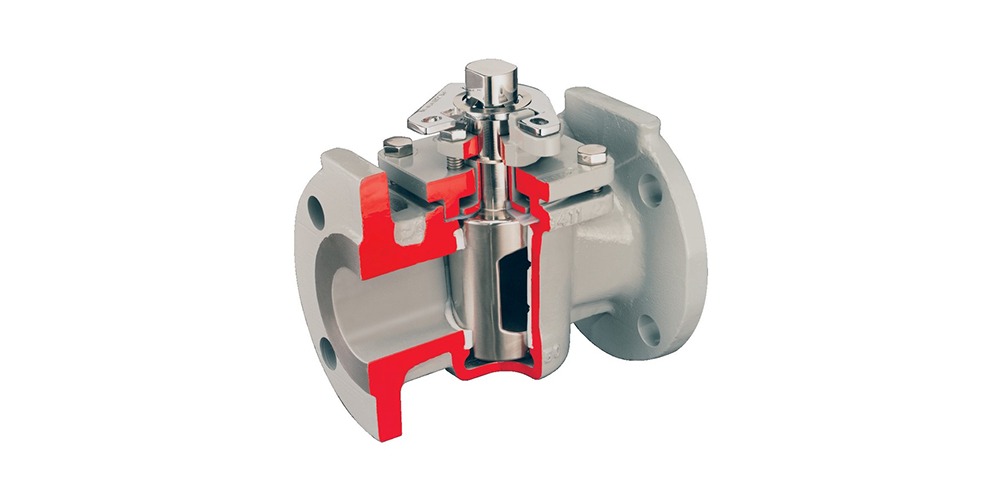
Designing process control systems that require industrial control valves demands a high level of expertise and precision. Industrial control valves play a pivotal role in regulating flow, pressure, temperature, and fluid levels within various industrial processes. Any misstep in their selection or implementation can lead to inefficient operations, safety hazards, and increased costs. Therefore, consulting with an experienced process control valve expert becomes not just beneficial but critical in ensuring the success and safety of these systems.
Industrial control valves come in an array of types, materials, sizes, and specifications. Each valve must meet the specific demands of the process conditions it will encounter, such as temperature extremes, corrosive substances, or high-pressure environments. An experienced valve expert possesses in-depth knowledge of these variables and understands how they interact within a complex system. They can navigate the intricate details a general engineer might overlook, ensuring that the selected valves align perfectly with the system's requirements.
Moreover, valve experts stay abreast of the latest technological advancements and industry standards. They bring insights into new materials, designs, and control technologies that can enhance system performance. By leveraging their expertise, they can recommend valves that meet current needs and offer scalability and adaptability for future process changes. This forward-thinking approach can save time and resources in the long run, preventing the need for costly overhauls or replacements down the line.
The financial implications of improper valve selection or implementation are significant. Incorrect valves can lead to leaks, equipment damage, or system failures, resulting in unplanned downtime and repair costs. An experienced valve expert can mitigate these risks by ensuring that every valve is suited to its specific function and environment. They can conduct thorough assessments and simulations to predict how valves will perform under various conditions, thereby preventing potential issues before they arise.
Safety is another paramount concern in industrial processes. Valves not appropriately selected or maintained can pose serious safety risks, including explosions, fires, or exposure to hazardous substances. Valve experts understand the critical safety standards and regulations that govern industrial operations. They ensure that all valves comply with these standards, providing peace of mind that the system operates safely and efficiently. Their expertise can also contribute to a safer work environment by reducing the likelihood of accidents caused by valve failures.
In addition, collaborating with a valve expert fosters better communication and understanding among the engineering team. These experts can bridge gaps between disciplines, ensuring that mechanical, electrical, and control systems work harmoniously. They can provide valuable training and support to the team, enhancing overall competency and confidence in managing the control system.
Time efficiency is yet another benefit of involving a valve expert. Designing and implementing control systems is a time-sensitive endeavor, and any delays can have cascading effects on project timelines and budgets. Valve experts streamline the selection and implementation process, making informed decisions quickly and accurately. Their experience allows them to anticipate and address challenges proactively, keeping the project on schedule.
The complexity and critical nature of industrial control valves necessitate the involvement of an experienced process control valve expert in the design of process control systems. Their specialized knowledge ensures optimal valve selection, enhances system performance, reduces financial risks, and upholds safety standards. Engineers and project managers can achieve a more efficient, reliable, and safe control system by consulting with these experts. It is an investment that pays dividends in operational excellence and peace of mind, underscoring the indispensable role that valve experts play in industrial process control.
https://cti-ct.com
925-208-4250